Wednesday, August 7, 2013

Safety Guidelines for Electric Power line Installation and Maintenance


Almost everything these days is somehow connected to electricity. Especially with all the new developments in technology and gadgets, electricity has become one of the most important and most used utilities. However, it is also one of the most sensitive, dangerous and expensive especially in terms of safety and maintenance.

There are many workers that work in different areas from the source until the electrical power itself reaches the users. These are not just any workers, these people are highly trained and qualified to do the job, from power line installation to repairs and maintenance.  The work presents greater risks and hazards because workers are in contact with high voltage power lines. Any mistake can cause injury or even death by electrocution. This is why it is important for to know these safety guidelines to avoid accidents from happening.

When high voltage systems are involved, do not work alone. There should be another person who is either a qualified electrical worker or even just an experienced employee in training when doing something that involves high voltage systems. This is to make sure that when something goes or case of an emergency, there is back up help.

Make sure that equipment used work properly and are well maintained. Since power lines are buried under ground, the use of heavy equipment is employed.  Like in case where a new power line installation is required, diggers and backhoes will be used to dig holes. These machines are powerful and should only be used by those trained to operate it. These should also be checked regularly before using so that they will be not be a cause for accidents. Also, proper training for the use of the equipment should be taught and updated.

Get all information needed regarding trenching and engulfment and its hazards. These are important because workers need to be safe and if they know what they are doing at the same time what they are not supposed to do, then accidents and injuries can be avoided. Training on what to do in cases of emergency should also be provided.

If work is done on high power line poles, safety guidelines and training should also be in place. It is important for one to know how to work in high places. Knowing how to bring up equipment, materials and even how to safely go up and down is as important. Training on what to do in cases of emergency especially while up on the pole is also a must.

People who work in this industry need to be safe because they work with something that is an essential part of day to day activities. They need to know safety not only for themselves but for everyone as well. Electricity and that hazards it can cause is not something to be taken lightly. If you are interested to know more about this there is a lot of information from books or you can search online. The information is good for everyone to know but better especially for those who are interested in this field or know people who do this kind of job.


Looking for non destructive digging services? We here at Yunz Contracting can help. Just visit our site  to find out more. 

Thursday, August 1, 2013

Non-destructive Digging and Its Functions


Diggings and excavations are important part in most construction projects. In the past, the methods used were either mechanical or manual digging. The problem with these two methods is that it either can be a cause of great damage and destruction to underground utilities and assets. Located underground is a web of important and vital utilities like gas and water pipes, sewers, electric and phone cables.  If a backhoe or even just a hand shovel hit a part of one of these, it can cause damage leading to work delays and costly repairs. A burst water pipe or cut electric cable can be a reason to stop operations to give way for repairs needed. Work delays, together with remediation costs will result to more money and time wasted.

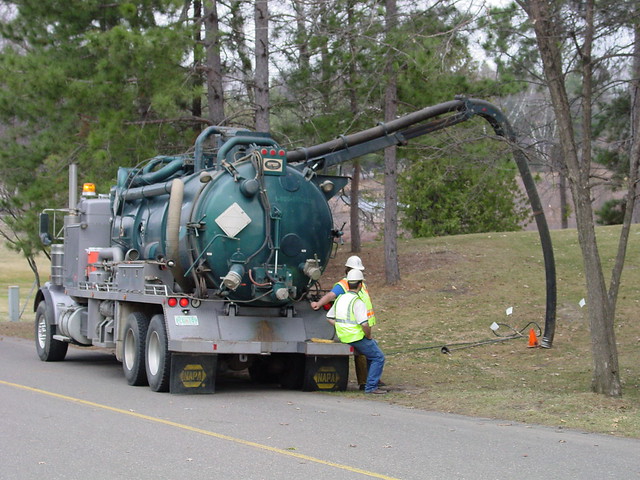
The development of non-destructive digging is the answer to this problem that contractors usually face in construction projects. In this method, high pressure air or water is used to break up and loosen the soil, or clay. All the soil, waste and excess water are then vacuumed out into holding tanks using a specially designed nozzle. Air or water as the medium used in making holes is not as risky in causing any damage as compared to machines likes excavators, backhoes and shovels.  Clean up is also a breeze therefore work is faster and more efficient.

Aside from minimizing the hazards to underground utilities, this method is also safer for the trained people who do the job. Risks of injuries are minimal. This, together with knowing that utilities are more protected gives contractors and owners peace of mind, free from too much worry from possible work disruptions and costly damages. 

Non-destructive digging is also beneficial to the environment. It leaves less impact on the surroundings. Even tree roots can be protected and left unharmed from the digging. Foot paths and sidewalks can remain virtually the same after a digging is done within the vicinity. If the digging is done near roads, non-destructive digging also makes it possible for less disruption in traffic flow. Less materials used as well as fewer workers do not cause a big obstruction.

If you want to consider the use of non destructive-digging and see the benefits it can give, then you can go online and look for companies or contractors that provide this kind of service. Searching online is the easiest and fastest way to do this. Try to narrow your search for those nearest the area where the project is located. Check out several websites and see who offers the best service at a fair price. Check the previous projects they have done. Get one that has been in the business for a long time and has a good history of satisfied customers and successful projects. You do not only want to protect you utilities but the whole property and the environment as well. 

It will do you know harm to try this method. You may actually find out for yourself that it will give great results, more than what you expect. 


Looking for non-destructive digging services? We here at Yunz Contracting can help. Just visit our site to find out more. 

Wednesday, July 24, 2013

Why Should You Choose Non Destructive Digging for Your Next Digging Projects


Diggings have many uses in construction projects. In the past, there have been stories of diggings gone wrong due to the damage caused to underground utilities. Imagine drilling through power lines causing loss of electricity or even burst water pipes causing serious flooding in the area. Other underground utilities that can be damaged through conventional drilling are gas pipes, telecommunication lines and sewage lines. Not only will damage to these wires and pipes cost a lot of money but delays and inconveniences are to be dealt with as well. This is something you do not want to happen while a digging in your property. The answer to this is non destructive digging. You may be sceptical if you do not really know about this. Below you will find more information and the benefits that you can get from this.

Non destructive digging which is also known as hydro excavation or vacuum excavation. This is a process of digging wherein high pressure water is used to loosen up the soil. The loose soil, together with excess water and other debris are then vacuumed out and directed into holding tanks using specially designed nozzles. Unlike mechanical digging which uses machines and heavy equipment to create holes, the use of water is a gentler and less risky alternative.  

The use of non destructive digging benefits everyone who is involved in the project. Worries of causing damage and costs for repairs is very minimal therefore giving everyone peace of mind. Sticking the budget is a top priority in most projects these days so costs that are kept to a minimum are always a big help. The equipment and the process used lessens the harmful the effects on the environment and even tree root systems underground can be left unharmed. 

The whole process also does not take as much time because even clean-up is a breeze since most of the debris are vacuumed out simultaneously as the digging is done. If the digging project is done in a roadside area or pedestrian walkways, this will not cause much disruption to traffic flow. Less people working with less equipment which are not too big will not be a problem to daily activity in the area. Overall, non destructive digging is cost efficient, safe and gentler on the environment. 

If non destructive digging is something you want to try for your next project, it would be best to check the companies that can do this for you. You can go online to take a look at company websites. These sites will be detailed to give you a better idea of how it really works. They have contact details that you can use to get in touch with them for any queries or questions. You just have to keep in mind that the company you work with is one that is reputable. Try to check the projects they have done in the past so you will know if they do a good job. This is to make sure that what you pay them for is worth it.

Looking for non destructive digging services? We here at Yunz Contracting can help. Just visit our site to find out more.
Tuesday, July 16, 2013

How to Find the Right Excavation Service Provider


Do you have an incoming construction or installation project? At this time, you should be searching for a excavation/digging contractor. Here are a few tips to help you find one:

Assess Your Project

What are you excavating for? Are you digging for a building construction project or for a utility installation project? Are you installing underground utilities, swimming pool, fallout shelter, irrigation system or what? Your choice of excavation method will depend on your project proposal.

Huge construction projects will require the use of heavy equipment like backhoes and crane loaders. But they can also be accompanied by suction excavators or any non-destructive excavation equipment. For small projects, it is not advisable to use heavy equipment and the option would be the use of suction excavator, either truck mounted or trailer mounted.

Assess Your Proposed Excavation Site

Moreover, your choice of excavation method will depend on the location itself. For instance, backhoes, crane loaders and other large machineries are not allowed in pristine environments. Contractors will need to consider manual digging, mechanical drilling or non-destructive excavation.

At times, workers are not allowed to operate large machineries and mechanical drills near schools, hospitals, homes for the aged and other establishments where excessive noise and vibration can cause great concern or noise pollution. Perhaps the workers should use manual digging or operate the suction excavator equipment.

If there are underground utilities in your proposed site, it is not advisable to use conventional digging methods. They damage or tear buried facilities apart and cause fire hazards, electrocution, explosion and pollution. The secondary effects are work delay or stoppage and injuries and fatalities. Mechanical drilling and manual digging are not even recommended. The recommended method would be non-destructive excavation, especially air or water vacuum excavation.

If you are having a swimming pool installed in your backyard, operating a small crane loader would be good for the task. But if you don’t want damages to your landscape, the suction excavator should be the preferred digging equipment.

Look For Excavation Contractors

Look for excavation contractors who can provide the most efficient service for your project. If you don’t know how to begin your search, there are certain venues where you can start:
  • Internet – Many civil works contractors who offer digging/excavation services could be online. Key in certain keywords, ‘digging contractors’, ‘trench digging contractors’, or ‘non-destructive excavation’. Check if they offer the kind of digging service you need. Many contractors today offer both traditional and non-destructive digging services.
  • Classified ad – Major broadsheets and magazines have listing of various civil construction services.
  • Your local business or commerce board – Your local business bureau has a list of all digging contractors in your town or city. They are registered and licensed to service you.
  • Referrals – Perhaps your neighbour knows of a non-destructive excavation contractor. They can help recommend you to them.

Keep a list of contractors that you would want to hire. Present your project proposal and show to them your proposed site. What methods can they recommend? How are they going to accomplish your project? Get their say on your proposal.

Perhaps they have other recommendations and solutions to how your project can be done and completed. Listen to them. They could have something better.

May these tips help you find the best excavation contractor for your project! Whether your method would be conventional or non-destructive excavation, it pays to hire the right professional to provide you the best service.

Yunz Contracting is a level 1 ASP non-destructive excavation provider. Please contact us today for professional and efficient digging service. Please visit our website too.

Wednesday, July 10, 2013

Air Vacuum Excavation as a Preferred Non-Destructive Excavation


Construction work is very dangerous, especially if there is some sort of excavation involved. So the first time the construction crew should do is to locate and expose any underground assets which include telecommunication cable networks, electricity cables, water pipelines, oil pipelines and underground tunnels. However, utility location can get dangerous at times because of the use of tools and equipment like mechanical drills, sharp pickaxes and huge earthmovers. Should not they be using non-destructive excavation methods?

The use of mechanical drills, sharp hand-held tools and huge earthmoving equipment can many times do more harm and good, more damage than smooth work flow. Workers tend to use them carelessly and in violation to proper work procedures, one of which is parking vehicles too close to the edge of a trench or excavation. So instead of exposing and protecting the buried assets (which they are supposed to do), they damage them, thus causing work stoppage, injuries and disruption of vital utility services.

For civil work contractors who are wary about using the aforementioned tools, they can utilise a non-destructive excavation method which is air vacuum excavation. How does this method fare against conventional digging methods?

Air vacuum excavation is a non-destructive digging, trenching and earth removal method. Being non-destructive, it is safe and easy to use. One of the benefits of air vacuum excavation is that the method is applicable in areas not fit for heavy equipment to access. It only uses a high powered vacuuming equipment to generate high pressurised air to break the soil or surface and suction or suck up dirt, loose soil or any debris.

In terms of safety, the air vacuum/suction excavator works safely around networks of underground pipes and cables. Pressurised air will not damage such utilities and you can even adjust the pressure of the air, thus preventing any hazards associated with damages to underground utilities. The excavation crew can eliminate or minimise the risk of electrocution, explosion and flooding.

More on safety, the excavation crew can help ensure the structural integrity of surrounding structures and the trenches and excavations. With no excavator tearing cables and pipes, no crane loader swinging and other machinery vibrating near unsupported excavation, no one is going to get harmed.

With regards to public safety, air vacuum excavation generates less noise. With this, excavating near homes and establishments would not become a public disturbance.

In terms of convenience, you can operate the suction excavator in limited and tight spaces where huge equipment cannot easily access and where large scale damage is not allowed like your backyard and pristine environment. This is convenient with the fact that you don’t need a dump truck and crane loader to collect excavated spoils as the long vacuum hose of the equipment can collect them into the debris storage tank.

The use of non-destructive excavation in the form of air vacuum excavation can replace the tedious and back-aching manual digging which often requires manpower and hours for completion and eliminate the occupational hazards brought by huge machineries. This method can help ensure productivity is not lost on inaccurate work results and accidents, maximise work hours and reduce delay.

For your non-destructive excavation needs, please contact Yunz Contracting today. You can also visit our website.

Monday, July 1, 2013

Non-destructive Digging Makes the Construction Industry Safer


There have been many reports about construction workplace hazards, especially involving damages to dangerous underground utilities or assets like electricity cable networks, oil and petroleum pipelines, buried fuel storage tanks and other assets that risk of pollution, fire or explosion. You have read of workers getting injured at excavation sites, some buried alive at unstable and unsupported trenches, vehicles falling into unsecured excavations, the fatalities, the work stoppages, litigations faced by contractors and the resulting investigations surrounding excavation tragedy. The construction sector is indeed on dangerous industry. What relief is there for civil contractors who want to ensure safe digging operations?

Digging and excavation operations need not to be hazardous and risky, wrist-hurting and back-breaking any longer. Thanks to technology, workers can make use of non-destructive digging technologies, one of which is vacuum excavation, a method being utilised for various digging and suctioning purposes. Non-destructive digging is a safe and cost-effective work solution for the building and construction industry that has gone through a lot of issues as results of excavation risks and hazards.

Rather than using sharp mechanical or hand-held tools or operating huge equipment, workers can utilise high pressurised air or water to break up soil, clay and other surfaces and to collect excavated material and other debris. These two functions made possible with a suction excavator that has a strong vacuum unit and long vacuum hose to break up the surface and collect them in the storage tank for later backfilling or disposal.

Is not the suction excavator just another equipment to operate? Yes, it is, but not like those huge earthmoving vehicles that you usually see in most excavation sites. Moreover, the equipment’s suction hose is not that painful to handle unlike those shovels and pickaxes whose repetitive use can cause carpal tunnel syndrome. The hose is never a sharp object too, and you can even adjust the pressure level of the air or water to break up the ground, so no risk of damage to buried utilities in here.

The use of non-destructive digging does help prevent the perils and hazards related to damaging any existing underground utilities. Working around and accessing them become safer and less complicated, no damages caused, and no risks occurred. How’s that for workplace safety?

non-destructive digging does not only reduce gaps and minimise or eliminate the possibility of damages to pipes, cables and other buried assets. It also helps reduce work delay and disruption, thus ensuring a smooth work progress and keeping you ahead of task completion. By eliminating hazards and reducing work stoppage, the construction industry will cut on operating costs and workers’ compensation.

Being a non-mechanical excavation method, non-destructive digging is a more effortless and more secure alternative for manual digging and using huge earthmoving equipment, especially in confined areas and congested thoroughfares. No hassle and fewer disturbances for the public.

Thanks to technology, the construction sectors can reap the benefits and savings of non-destructive digging. This advantage is not only for the industry, but also for the public who has already grown tired of news reports on workplace accidents and injuries.

Are you a commercial or industrial client who is in need to non-destructive digging services? Please contact YunzContracting today. You can also visit our website

Tuesday, June 11, 2013

Reasons of Excavation Hazards


What makes excavation sites one of the most hazardous work areas? First of all, it is already a dangerous area where workers and equipment share space and where workers operate and swing their equipment within a limited space. As a workplace rife with occupational safety violations, excavations in construction or installation projects are very deep and often unsupported. Violation already taking place as excavations and trenches must be supported. Moreover, they are also narrow, and workers who happen to be in unsupported narrow trenches are unfortunate to be in a space there chances of escaping from a possible disaster are slim.

Excavations are dug for many reasons, mainly for construction and utility installation projects. Civil contractors need to dig excavations to build structural support for buildings and other edifices, install a network of underground pipe and cable systems, to install drainage and sewerage systems, to create tunnel systems and to install other underground assets. Uses for trenching outside of construction and building purposes include irrigation systems for farms and hideout for soldiers in the battlefield.

Excavation works are one of the most dangerous works undertaken by construction workers.  There are many causes for excavation hazards. Among them are:

·        Mishandling of underground assets – One thing that makes excavation sites dangerous is the presence of underground pipe systems and electrical assets. This is usual in cases where workers strike them with their machinery and tools. Can you image striking a live wire with your drill?
·         Wrong excavation practices – Workers in unsupported excavations? Equipment parked too close to the edge? Trenches not secured? Violations of excavation safety procedures indeed.
·          Failure in recognising possible risks and hazards – How can a contractor fail to recognise risks of electrocution when working around buried electrical assets?
·         Loading of rocks, soil and other excavated debris near the excavation – This is the same with parking vehicles near excavations, and this pose a cave-in or collapse of the excavation’s walls.
·         Weak soil or bad weather condition during work times – When you excavate, the surrounding soil can no longer hold the soil that is left behind due to the absence of natural forces which hold the soil. If your excavation is not support, the walls can get weak and then collapse. Working also in excavations under a bad weather can do increase hazards. 

Excavation and trenching need not to be hazardous if only contractors plan out a proper work flow and implement safety rules and work procedures in place, and if workers know how to be careful with their assigned tasks like operating earthmoving equipment and ground-breaking tools. Contractors and workers should now perhaps look into non-destructive digging technologies to ensure safe excavation.

Yunz Contracting is a level 1 ASP non-destructive digging service provider. Please contact us today for service and visit our website.